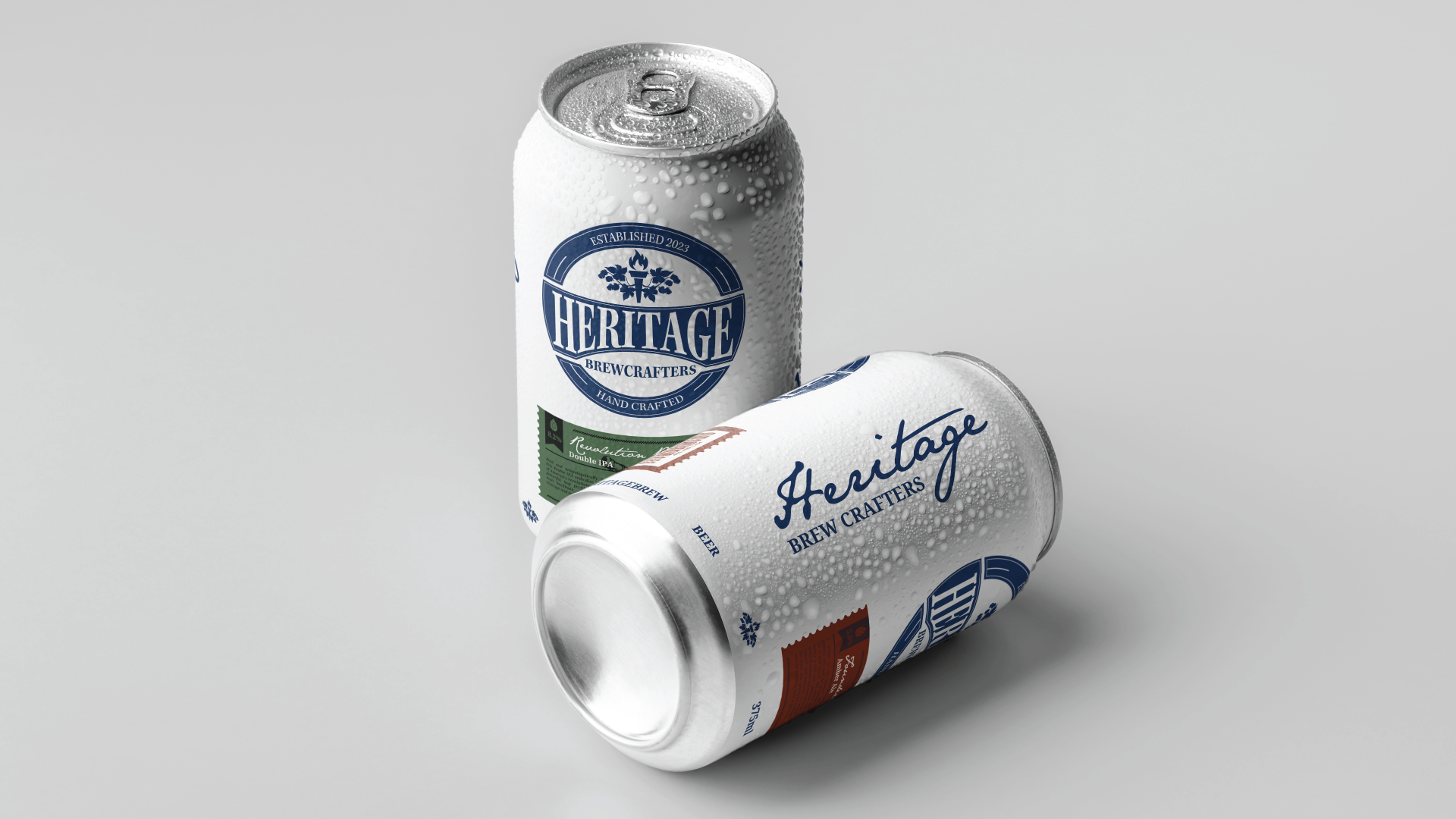
Package design gets treated like decoration when it should be treated like a sales tool. It's the last piece of marketing a customer sees before they decide to buy, and on a crowded shelf, it has about three seconds to make the case. Here's what that case needs to include.
Most packaging is judged from across the aisle before anyone picks it up. If your product can't be identified and understood from three feet away in three seconds, the design is too busy or too subtle. Bold hierarchy and a clear focal point beat clever detail every time at that distance.
Every package is answering three questions in order: what is this, who is it for, why should I choose it over the one next to it. Your brand name, product type, and key differentiator need a clear visual order. When everything on the package is the same size and weight, the customer has to work to figure out what matters, and most won't bother.
Matte versus glossy, kraft paper versus glossy coating, a heavier stock versus a flimsy one: these choices communicate quality before anyone reads the copy. A skincare brand positioned as clean and natural sends the wrong signal with shiny plastic and neon color. Material should reinforce the brand's positioning, not fight it.
If you're launching more than one product, design the system before you design the first package. Figure out what stays constant across every SKU (logo placement, brand colors, structure) and what changes (flavor or variant colors, icons). Brands that design one package at a time end up with a shelf presence that looks like five unrelated products instead of one line.
Packaging gets photographed for e-commerce, unboxed on camera, shipped in a box, and handled under store lighting that's nothing like a photo studio. Test your design in low light, in a phone camera, and in a thumbnail size before you finalize it. A package that only looks good in a perfect product shot will underperform everywhere else it actually gets seen.
Package design is one of the highest-leverage investments a product brand can make, because it's working for you at the exact moment someone decides whether to buy. Get it wrong and even a great product struggles to get picked up. Get it right and it does some of the selling on its own.
Launching a new product or refreshing an existing line? Let's talk about your packaging.